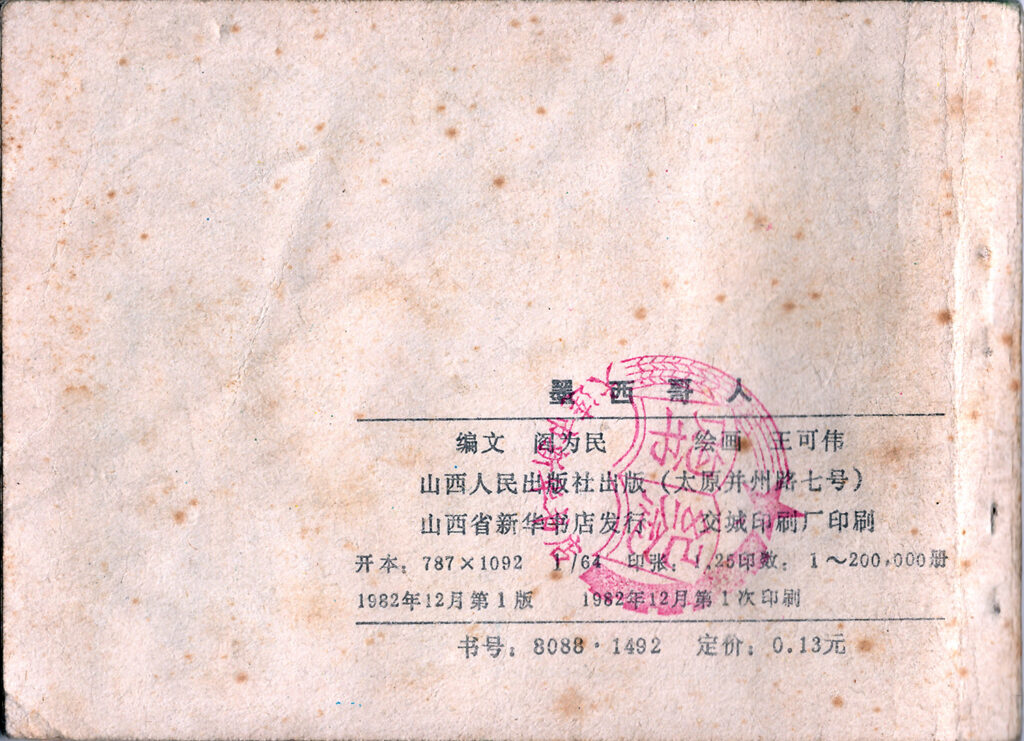
《墨西哥人》血战拳台·为国而战
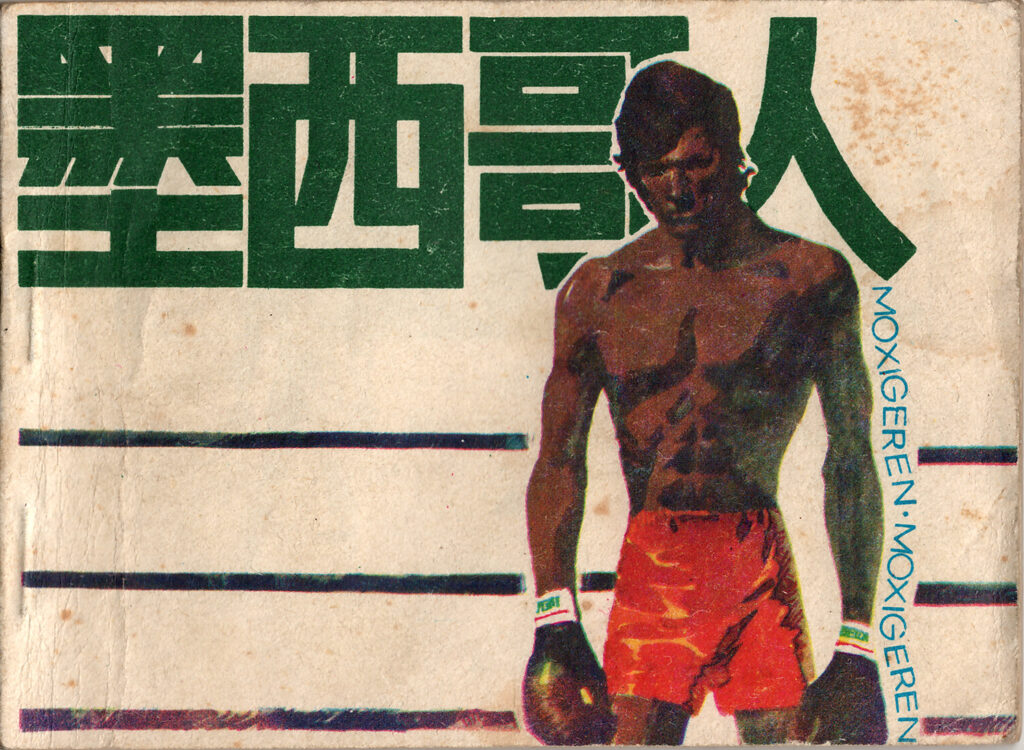
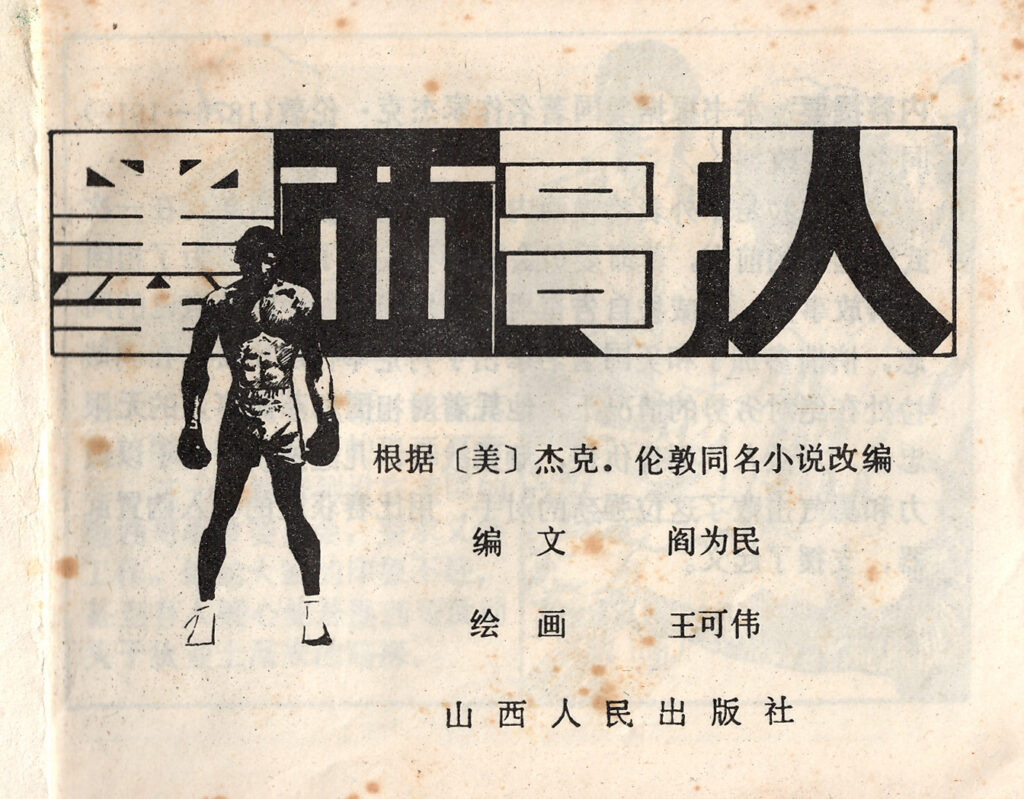
连环画作品《墨西哥人》1982年创作,
作品介绍
血战拳台 为国而战
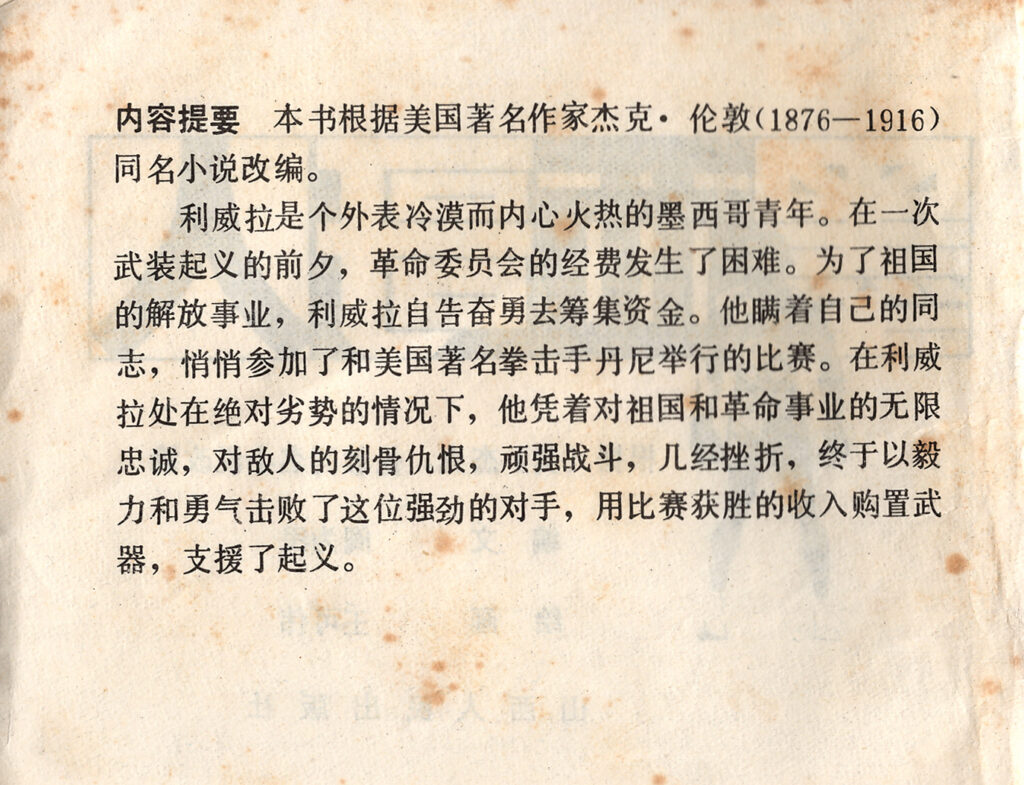
本故事根据美国著名作家杰克·伦敦(1876一1916)同名小说改编。
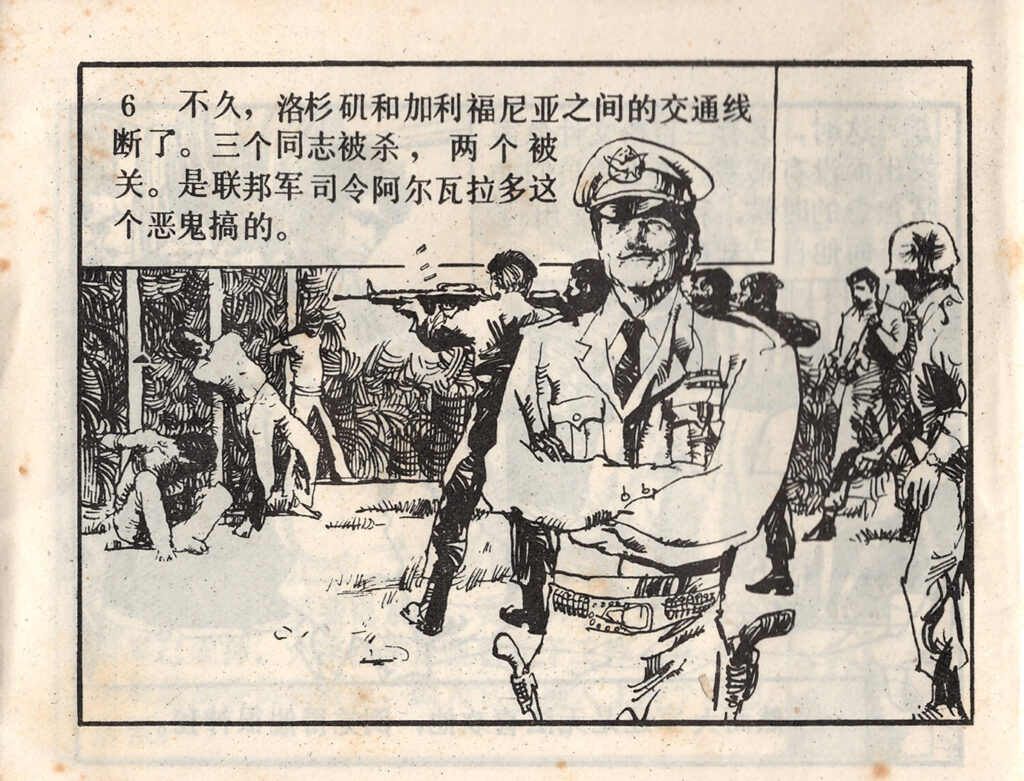
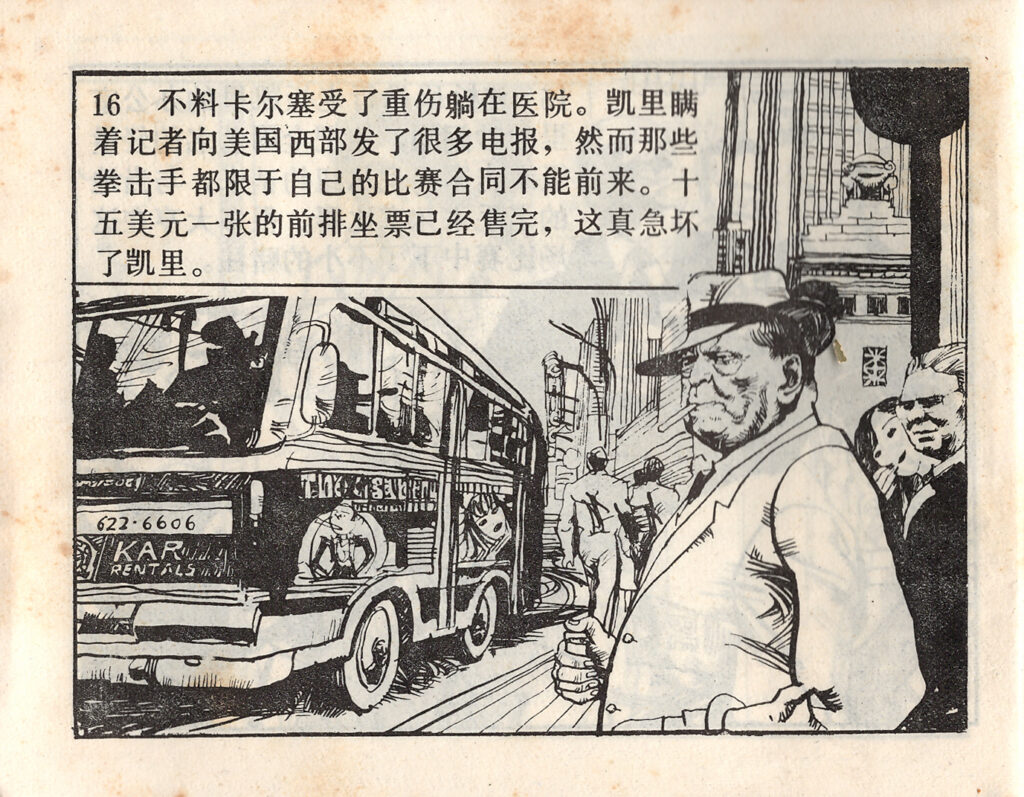
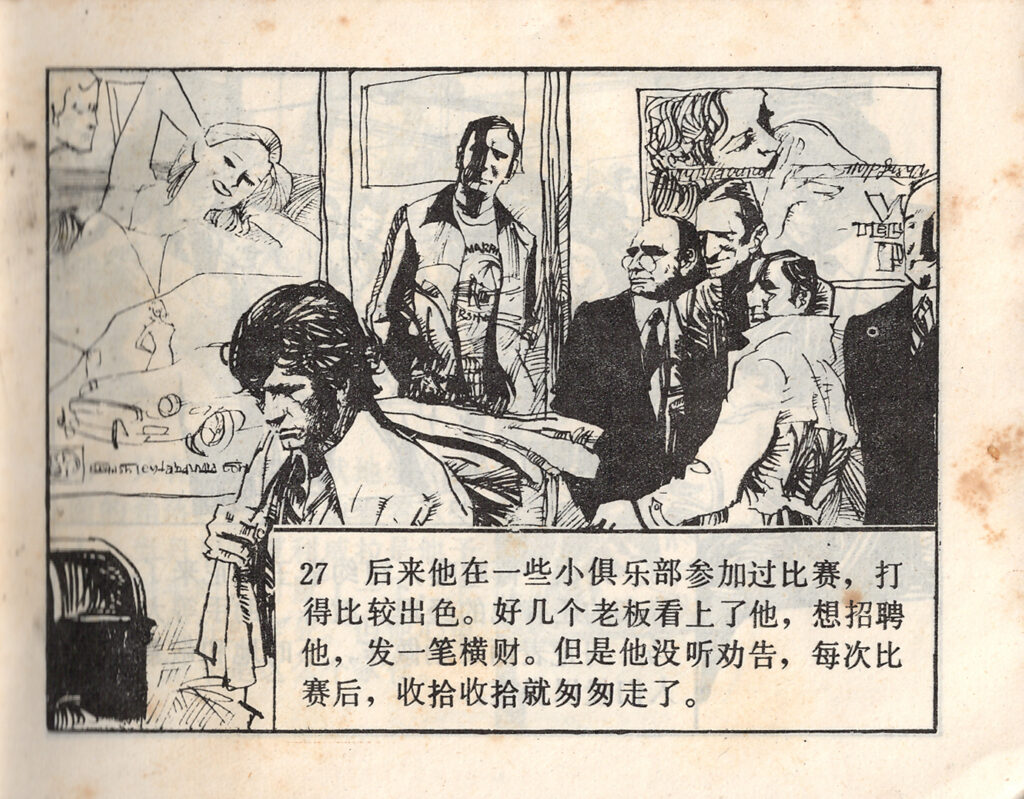
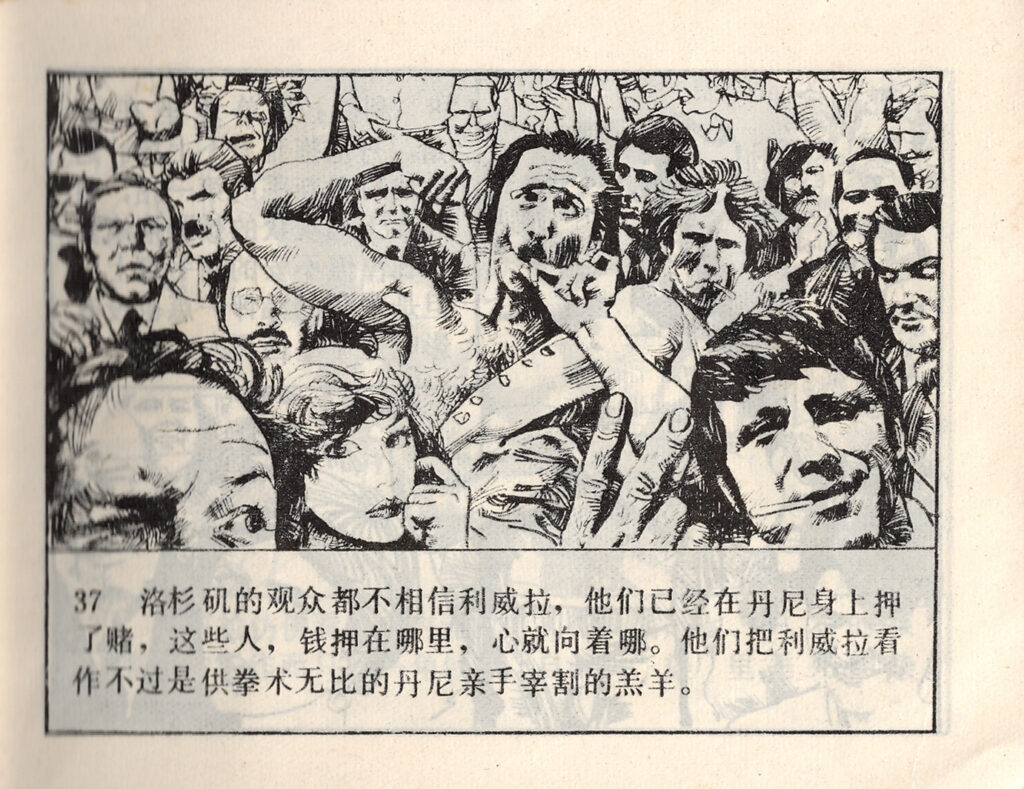
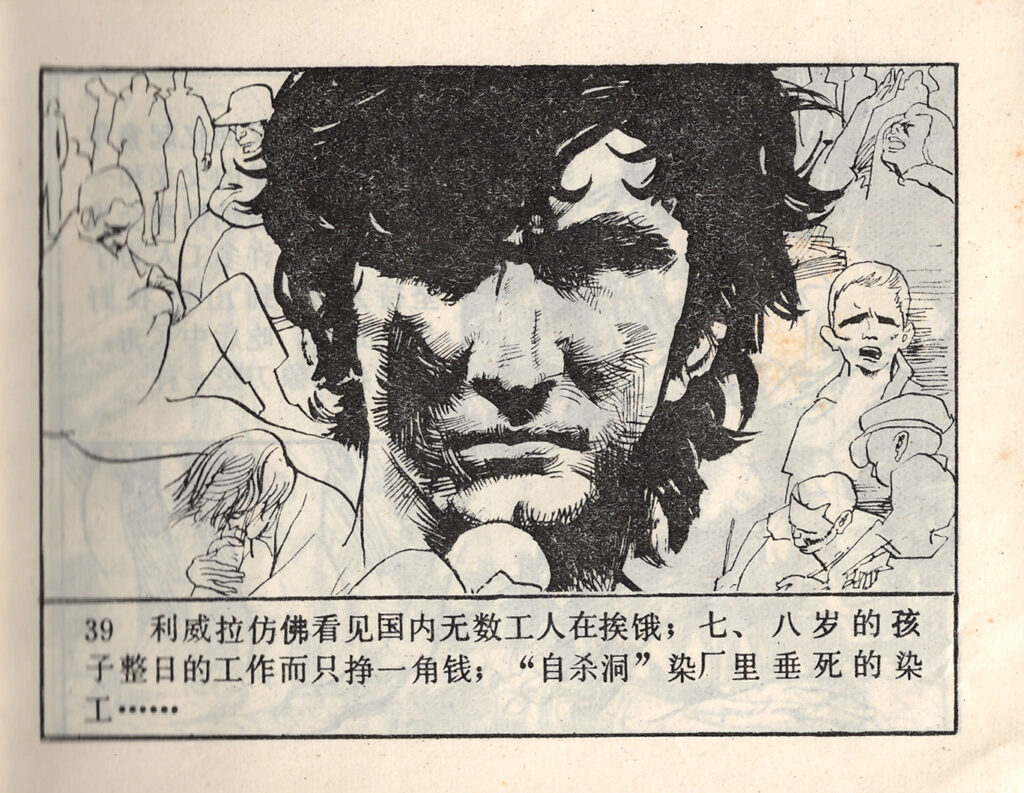
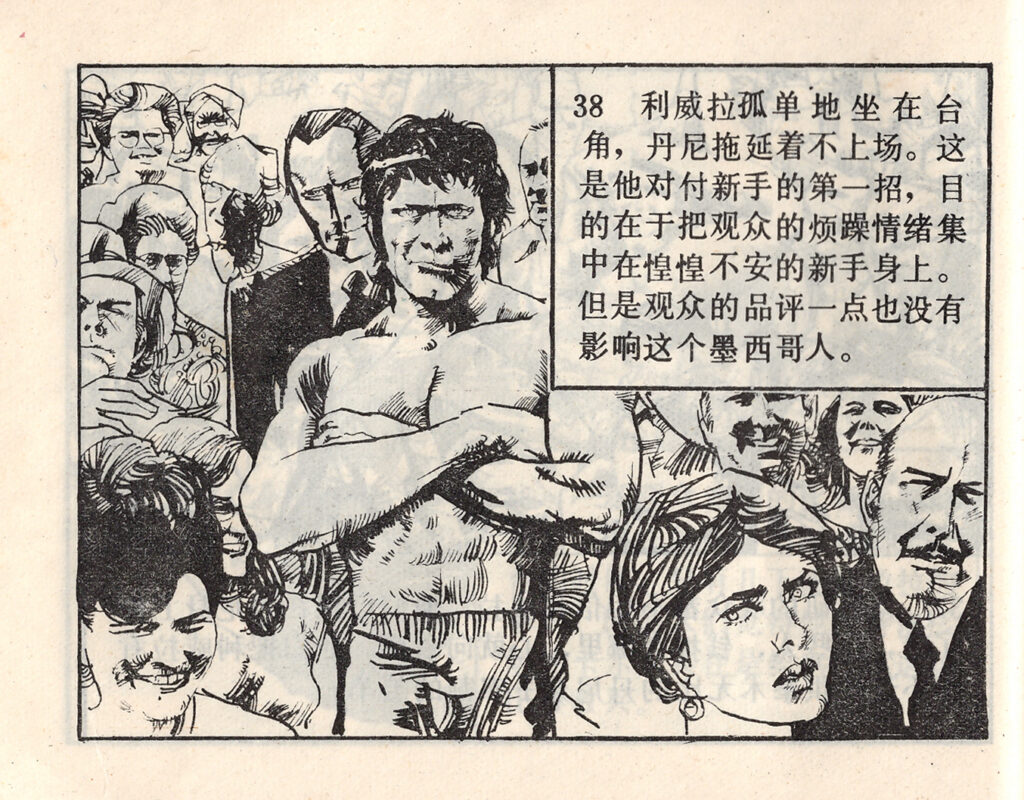
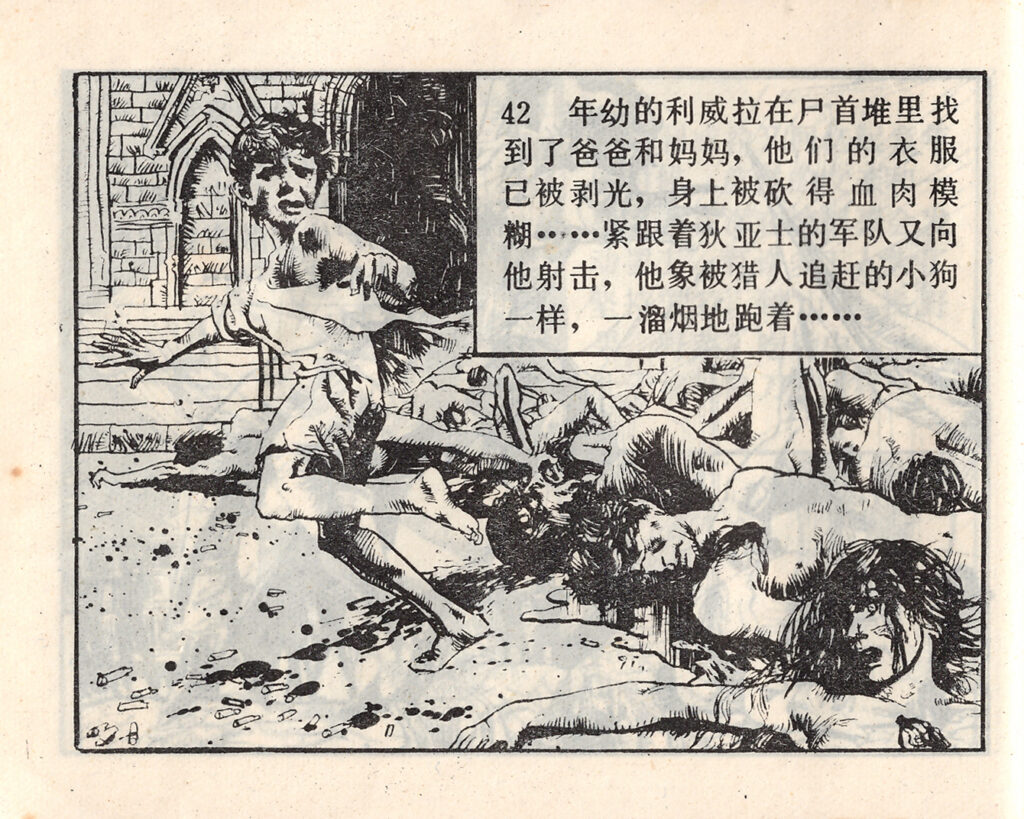
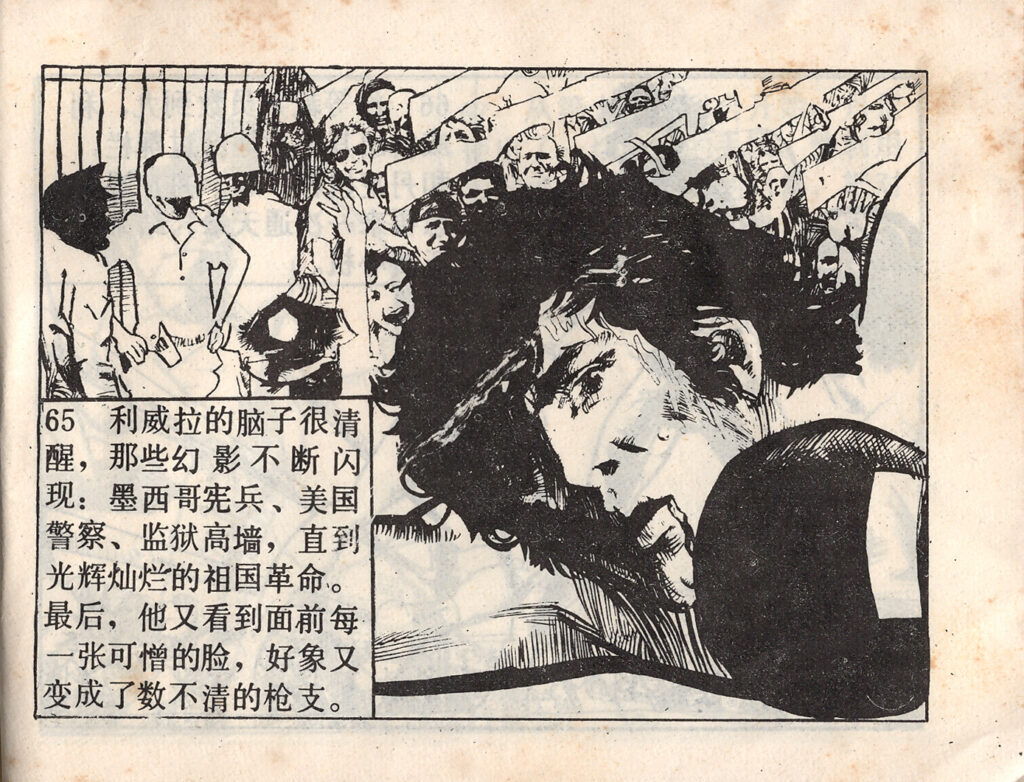
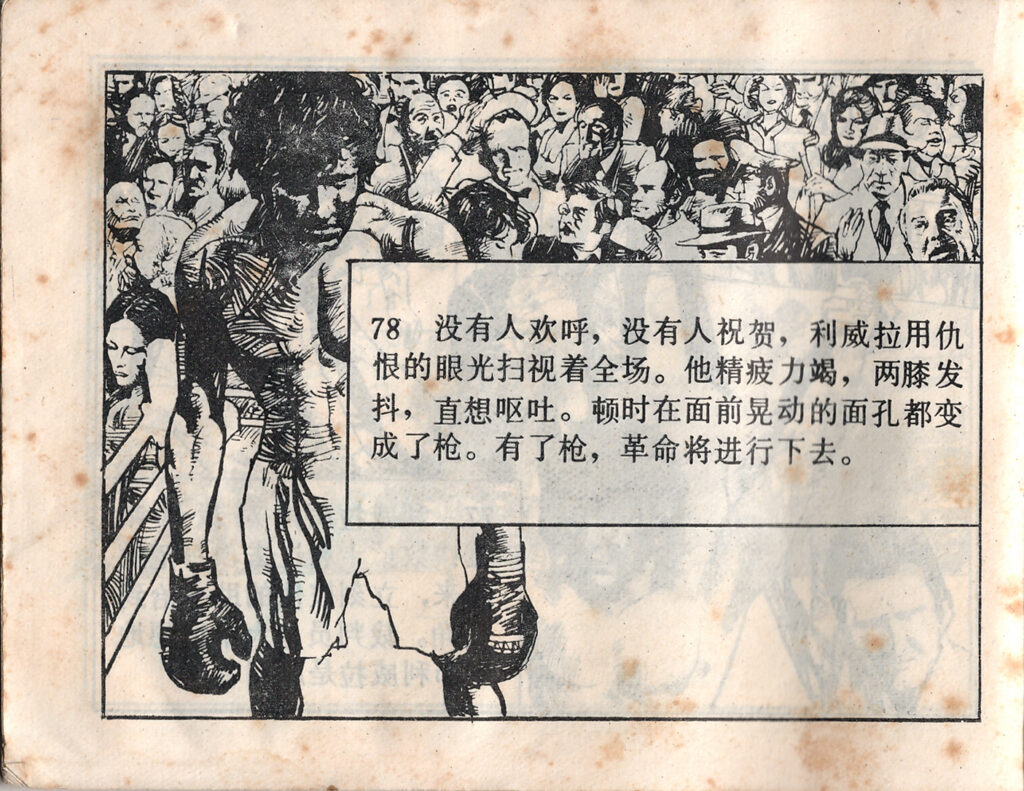
利威拉是个外表冷漠而内心火热的墨西哥青年。在一次武装起义的前夕,革命委员会的经费发生了困难。为了祖国的解放事业,利威拉自告奋勇去筹集资金。他瞒着自己的同志,悄悄参加了和美国著名拳击手丹尼举行的比赛。在利威拉处在绝对劣势的情况下,他凭着对祖国和革命事业的无限忠诚,对敌人的刻骨仇恨,顽强战斗,儿经挫折,终于以毅力和勇气击败了这位强劲的对手,用比赛获胜的收入购置武器,支援了起义。这组连环画采用典型的黑白线描表现,以富有变化的线条构建形体,并通过排线与块面处理塑造光影关系。整体风格写实中带有概括与夸张,既保证了结构的准确性,又增强了画面的戏剧张力与视觉冲击力。
人物刻画尤为出色。通过简练而有力的笔触,精准捕捉面部神情与心理状态,尤其在眼神与阴影的处理上,使人物更具感染力。同时,构图上运用前实后虚、疏密有致的安排,在多人物场景中依然保持清晰的视觉焦点与良好的节奏感。
在黑白关系的运用上,作品通过大面积黑色块面与留白形成鲜明对比,营造出沉稳厚重的整体氛围。整体呈现出连环画特有的叙事性与造型能力,体现了以线造型、以黑白塑造空间的经典艺术特征,具有较高的观赏与研究价值。
====================================================================
Wang Kewei’s Lianhuanhua (Illustrated Story) The Mexican, created in 1982。
Artwork Description
Fight to the Death in the Ring, Fight for the Nation
This story is adapted from the novel of the same name by the renowned American writer Jack London (1876–1916).
Rivera is a Mexican youth who appears cold on the outside but is passionate at heart. On the eve of an armed uprising, the revolutionary committee faces a shortage of funds. For the cause of his country’s liberation, Rivera volunteers to raise money. Without informing his comrades, he secretly enters a match against the famous American boxer Danny. Despite being at a clear disadvantage, Rivera fights on with unwavering loyalty to his country and revolutionary cause, and with deep hatred toward his enemies. After enduring numerous setbacks, he ultimately defeats his powerful opponent through perseverance and courage, using the prize money to purchase weapons and support the uprising.
This series is rendered in a classic black-and-white line drawing style, using expressive and varied lines to construct form, while hatching and tonal blocks are employed to build light and shadow. The overall style combines realism with elements of simplification and exaggeration, ensuring structural accuracy while enhancing dramatic tension and visual impact.
The depiction of characters is particularly striking. With concise yet powerful strokes, the artist captures facial expressions and psychological states with precision. The treatment of the eyes and shadows is especially effective, giving the figures strong emotional resonance. In terms of composition, the use of foreground-background contrast and rhythmic density allows even complex multi-figure scenes to maintain clear focus and visual balance.
In its handling of black and white, the work achieves a refined balance through bold areas of dark tones contrasted with negative space, creating a sense of weight and atmosphere. Overall, the series exemplifies the narrative strength and formal discipline of traditional lianhuanhua, demonstrating the classic artistic approach of shaping form through line and constructing space through black-and-white contrast, making it both visually engaging and of significant artistic value.