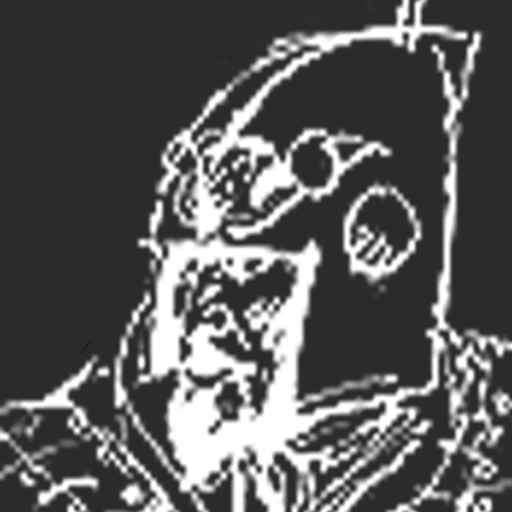
《楚汉之战》英雄相对·楚汉风云
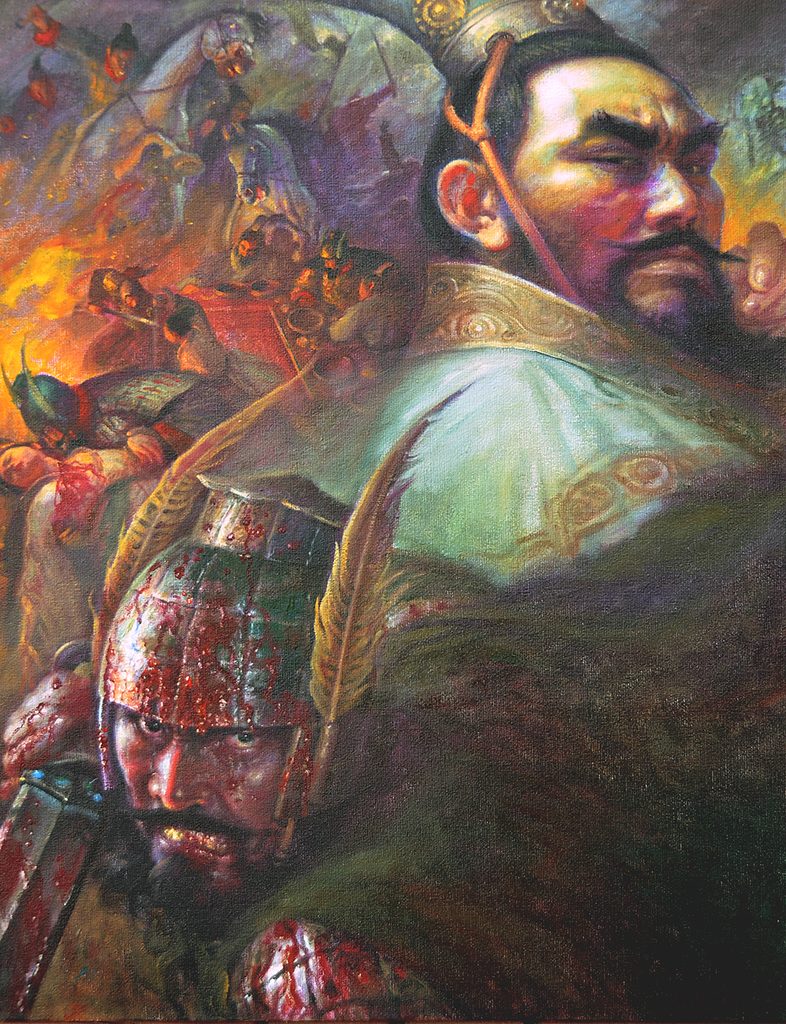
王可伟先生油画作品《楚汉之战》2008年创作,尺寸:60cm×80cm
作品介绍
英雄相对·楚汉风云
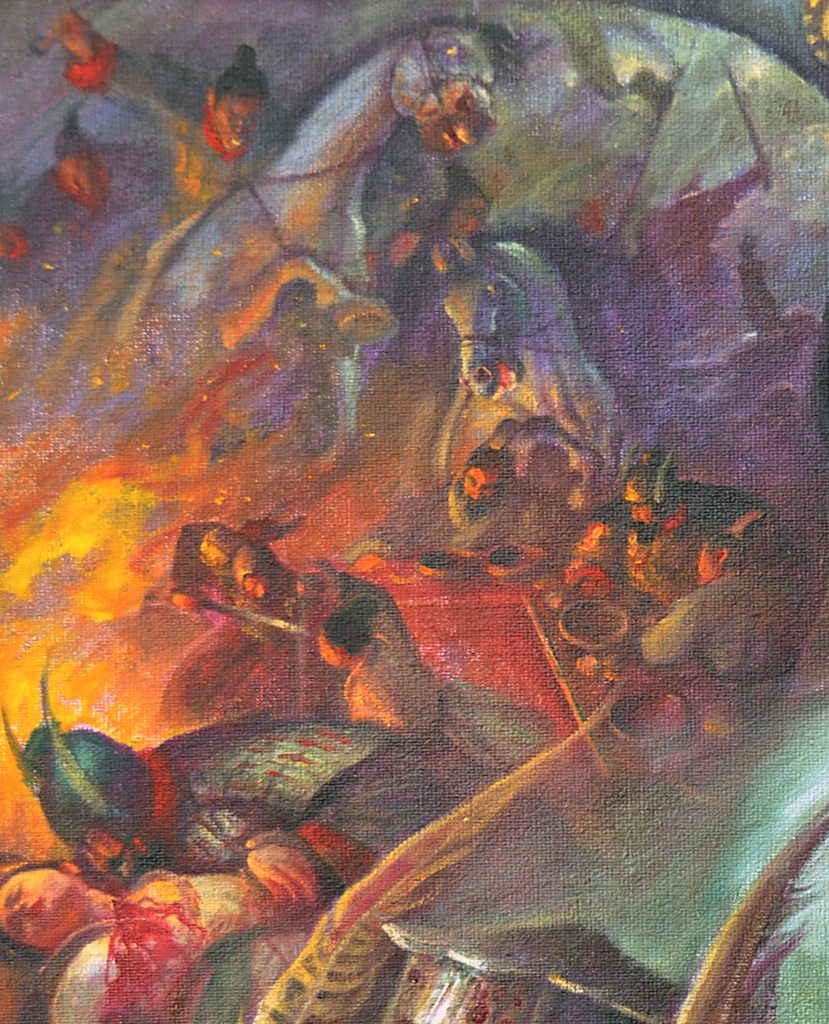
这幅作品是王可伟先生为自己的连环画封笔之作《楚汉之战》第二版绘制的封面。作品以楚汉争霸为历史背景,将两军交锋的惨烈与英雄人物的命运凝聚于同一画面,既展现了战争的宏大气势,也体现出对历史人物内心世界的深入探索。
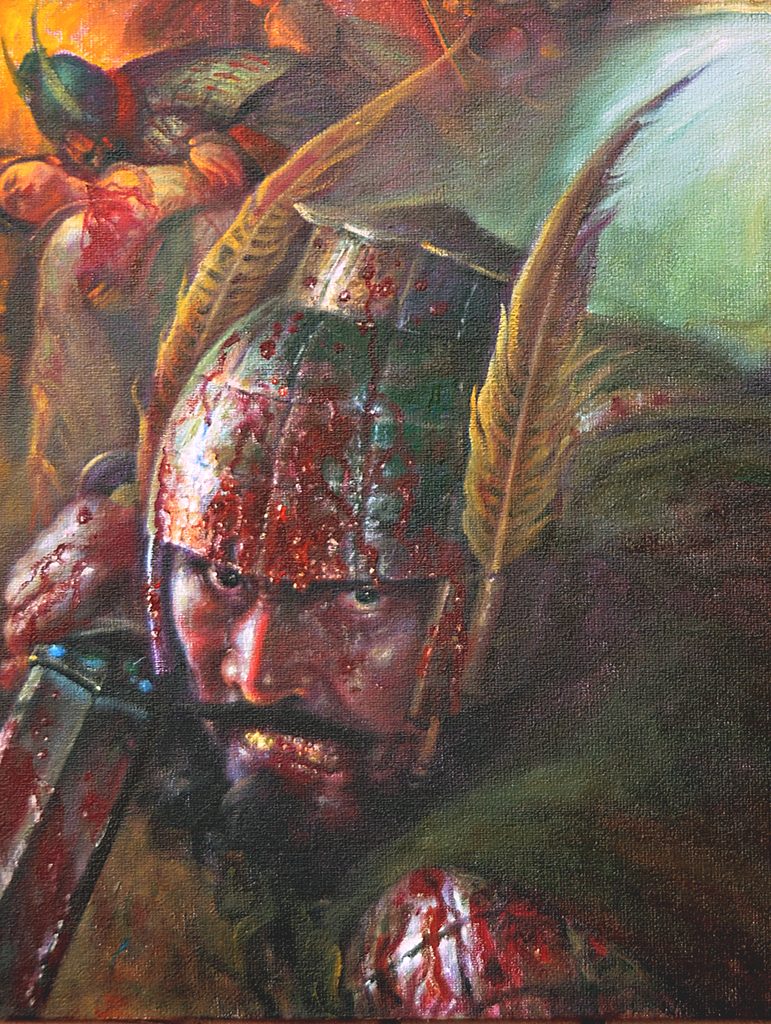
画面前景中的项羽,身披战甲占据了重要位置。头盔上斑驳的血迹、紧锁的眉头、锐利而警觉的目光,以及紧抿的双唇,共同构成了一个历经鏖战、仍不肯退让的战士形象。画家以丰富而有力的油画笔触表现铠甲的金属质感与战场留下的痕迹,使人物不仅具有鲜明的视觉冲击力,更流露出直面生死的坚毅与悲壮。
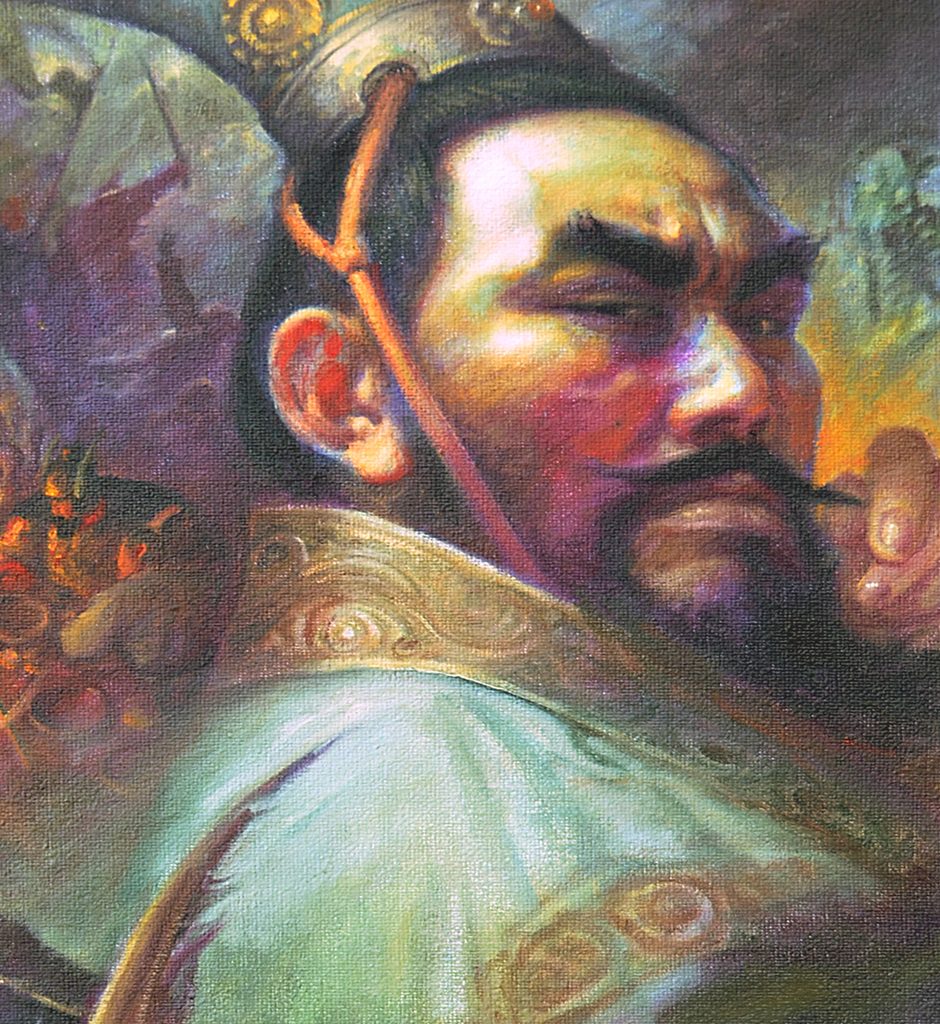
画面右上方的刘邦,气度沉雄的将领以近乎特写的方式出现。浓密的眉毛、深邃的眼窝、坚毅的鼻梁与紧绷的嘴角,构成了极具辨识度的面部形象。不同于项羽的紧张与警觉,刘邦的神情更显沉着、威严,仿佛在战火与硝烟之外,仍然保持着统御全局的气度。
这幅作品的独特之处,在于它并未单纯追求战争场面的宏大,而是将历史的重量落在了具体的人物身上。通过面部细节、眼神、肌肉轮廓、铠甲纹饰与色彩变化,让英雄不再只是历史叙事中的符号,而成为有血有肉、有意志也有命运的人。宏大的战争背景与细腻的人物塑造相互映衬,展现了王可伟先生在历史题材创作中兼顾造型功力、戏剧张力与人物精神的艺术追求。
更值得珍视的是,这幅油画与画家的连环画创作生涯有着直接而特殊的联系。王可伟先生曾倾注多年心血创作大型历史题材连环画《楚汉之战》,以严谨的造型、细致的历史场景和富有感染力的人物刻画,构筑出波澜壮阔的楚汉历史画卷。这部作品也成为他连环画创作生涯的重要收束,并为其后来的中国古代历史题材油画创作积累了深厚的艺术经验。
因此,2008年创作的这幅《楚汉之战》,不仅是一件独立的油画作品,更是画家与自己代表性连环画创作之间的一次深情呼应。它将原本延展于连环画中的历史叙事,浓缩为一幅具有强烈戏剧性与纪念意义的油画封面,记录了画家从连环画到历史题材油画的艺术脉络。
对于喜爱王可伟先生作品的藏家而言,这幅作品的珍贵性,不仅来自其精细的人物刻画与鲜明的历史题材特色,更来自它与画家封笔之作《楚汉之战》第二版之间不可分割的创作渊源。它承载着一段重要的艺术经历,也凝结着画家对历史、英雄与战争命运的长期思考,具有独特的艺术纪念意义与收藏价值。
====================================================================
Wang Kewei’s Oil Painting *The Battle of Chu and Han
Created in 2008 | Dimensions: 60 × 80 cm
Heroes in Confrontation, The Epic of Chu and Han
This painting was created by Mr. Wang Kewei as the cover artwork for the second edition of his own comic-book masterpiece, The Battle of Chu and Han, the final work of his career in traditional Chinese comic-book illustration. Set against the historical backdrop of the Chu–Han Contention, the painting brings together the brutality of warfare and the destinies of legendary heroes in a single composition. It captures not only the grandeur of battle, but also the complex inner worlds of the historical figures.
In the foreground, Xiang Yu stands prominently in battle armor. The bloodstains across his helmet, his furrowed brows, his sharp and vigilant gaze, and his tightly pressed lips combine to portray a warrior who has endured fierce combat yet refuses to yield. Through vigorous and richly layered brushwork, the artist renders the metallic texture of the armor and the traces left by battle. The figure possesses a powerful visual presence, conveying both unwavering resolve and the tragic grandeur of a hero confronting life and death.
In the upper-right portion of the painting, Liu Bang appears in a commanding close-up, his bearing solemn and imposing. His thick eyebrows, deep-set eyes, strong nose, and tense mouth create a highly distinctive facial portrait. Unlike Xiang Yu’s tension and vigilance, Liu Bang’s expression appears more composed and authoritative, suggesting a leader who maintains his command even amid the chaos of fire and war.
The distinctive strength of this work lies in its refusal to rely solely on the spectacle of warfare. Instead, the weight of history is embodied in the figures themselves. Through subtle facial details, expressive eyes, muscular contours, ornamental armor, and nuanced shifts in color, the artist transforms these heroes from mere figures in a historical narrative into living individuals shaped by will, destiny, and conflict. The contrast between the expansive battlefield and the finely rendered characters demonstrates Mr. Wang’s ability to unite technical mastery, dramatic tension, and psychological depth in historical painting.
Of particular significance is the painting’s direct and unique connection to the artist’s career in traditional Chinese comic-book illustration. Mr. Wang devoted years of painstaking effort to creating the large-scale historical comic The Battle of Chu and Han. Through rigorous figure construction, meticulously depicted historical settings, and compelling character portrayals, he built a sweeping visual narrative of this turbulent period. The work marked an important culmination of his career in comic-book illustration and provided a profound artistic foundation for his subsequent oil paintings on ancient Chinese historical themes.
Created in 2008, this painting is therefore more than an independent work of art. It represents a meaningful dialogue between the artist and one of the defining projects of his own career. By condensing the extended historical narrative of the comic into a single, dramatically charged cover painting, it records an important chapter in Mr. Wang’s artistic journey from traditional Chinese comic-book illustration to historical oil painting, giving the work a distinctive artistic and commemorative significance.
====================================================================
王可偉 油彩画作品《楚漢の戦い》
制作年:2008年|サイズ:60 × 80 cm
英雄相対す、楚漢の風雲
本作は、王可偉氏が自身の連環画(中国の伝統的なストーリー漫画)の最終作となった歴史大作『楚漢之戦』の第2版のために描いた表紙用油彩画です。楚漢争覇の歴史を背景に、両軍が激突する戦場の凄惨さと、英雄たちの運命を一つの画面に凝縮しています。戦争の壮大なスケールを描き出すと同時に、歴史上の人物たちの内面にも深く迫った作品です。
画面の前景には、甲冑を身にまとった項羽が大きく描かれています。兜に残る生々しい血痕、深く寄せられた眉、鋭く周囲を警戒する眼差し、そして固く結ばれた唇。その一つひとつが、激戦をくぐり抜けてもなお屈することのない武人の姿を浮かび上がらせています。力強く重ねられた油彩の筆致によって、甲冑の金属的な質感や戦場の痕跡がリアルに表現され、死生を懸けて戦う者の不屈の意志と悲壮感が鮮烈に伝わってきます。
画面右上には、劉邦の姿が威厳に満ちたクローズアップで描かれています。濃い眉、深い眼窩、力強い鼻筋、そして緊張感を帯びた口元が、強い個性を備えた人物像を形づくっています。緊迫感と警戒心を漂わせる項羽に対し、劉邦の表情には、より沈着で威厳のある風格が感じられます。戦火と硝煙が渦巻く状況にあっても、全体を見据え、統率する者の落ち着きが表現されています。
本作の大きな魅力は、戦争の壮大な情景だけに頼るのではなく、具体的な人物描写を通して歴史の重みを伝えている点にあります。顔の細部、眼差し、筋肉の輪郭、甲冑の装飾、そして色彩の繊細な変化によって、英雄たちは単なる歴史上の記号ではなく、意志と運命を背負って生きる人間として描き出されています。壮大な戦場の背景と緻密な人物表現との対比には、造形力、劇的な緊張感、そして人物の精神性を融合させる王可偉氏の歴史画家としての力量が表れています。
さらに本作を特別なものにしているのは、画家の連環画制作の歩みと直接的かつ深い結びつきを持つ点です。王可偉氏は、歴史大作『楚漢之戦』の制作に長年にわたり心血を注ぎ、確かな人物造形、緻密な歴史的情景、そして豊かな表現力を備えた人物描写によって、楚漢争覇の壮大な歴史絵巻を築き上げました。この作品は、同氏の連環画創作の重要な集大成となり、その後の中国古代史を題材とした油彩画制作にも、深い芸術的基盤をもたらしました。
2008年に制作された本作は、単独の油彩画作品であるだけでなく、画家自身の代表的な連環画作品との間に生まれた、特別な芸術的対話ともいえます。連環画の中で展開される壮大な歴史物語を、一枚のドラマ性豊かな表紙絵へと凝縮した本作には、連環画から歴史を題材とする油彩画へと続く王可偉氏の芸術的歩みが刻まれています。その背景こそが、本作に独自の芸術的意義と記念性を与えています。